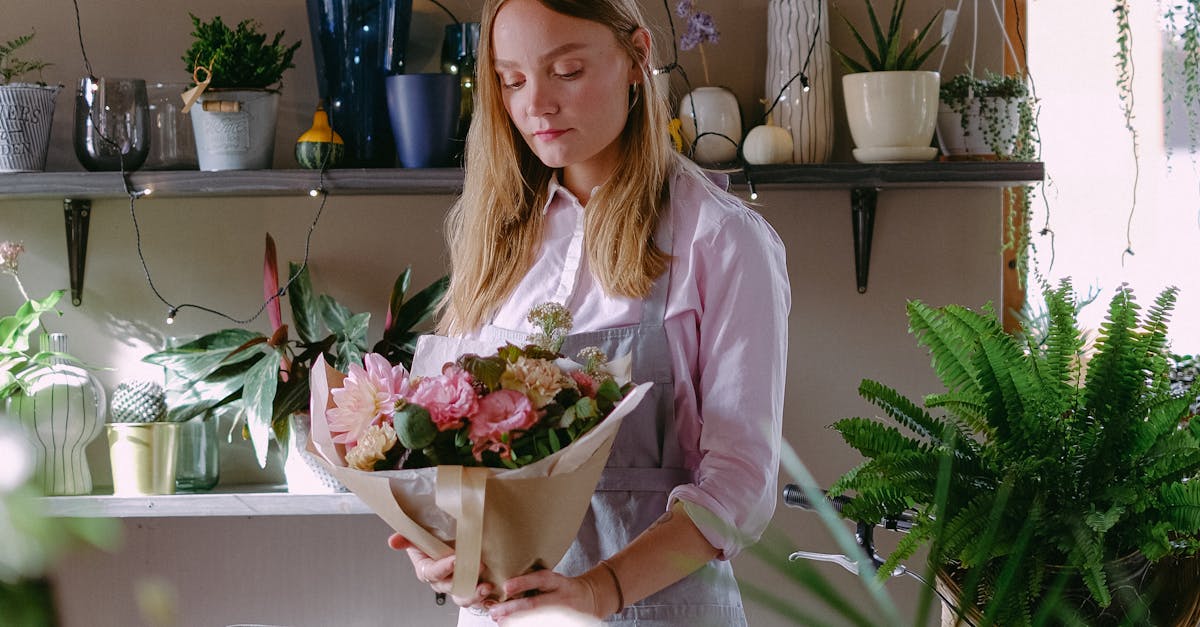
Building Unique Floral Compositions through Layering
Table Of Contents
Textures and Shapes in Floral Design
In floral design, textures play a critical role in creating depth and intrigue. Each flower possesses its own unique surface quality, ranging from the smooth petals of a tulip to the coarse, spiky edges of an artichoke flower. By deliberately combining these contrasting textures, designers can enhance the visual experience, inviting the viewer to engage more fully with the arrangement. It’s essential to consider not only the flowers themselves but also the foliage and other elements that contribute additional layers of texture, such as feathers or twigs, which can add a natural feel.
Shapes are equally important in building a successful floral composition. Curvilinear forms, found in blooms like peonies or lilies, can create a sense of movement, while more geometric shapes in flowers such as dahlias add structure to the design. The balance between organic and structured shapes can guide the overall flow of the arrangement. Creating visual pathways through varying shapes helps to lead the eye and establish a focal point within the piece, while also encouraging a harmonious interplay between the different elements used.
Enhancing Interest through Variety
Floral design thrives on diversity, which adds depth and richness to compositions. Choosing flowers of varying sizes, shapes, and colours can create a dynamic visual experience. For instance, pairing bold, large blooms with delicate, smaller buds not only amplifies the overall aesthetic but also invites viewers to explore each element closely. Different textures, ranging from smooth petals to rugged foliage, contribute to the tactile pleasure of a bouquet. The interplay of these factors broadens the emotional impact of the arrangement and sparks curiosity.
Incorporating a wider range of species can further enhance visual intrigue. Consider using seasonal flowers for a touch of freshness, alongside classic staples for stability. This blend can evoke different feelings associated with various times of the year, creating a nostalgic atmosphere. Moreover, integrating unexpected elements like berries, twigs, or even dried materials introduces an exciting contrast that surprises onlookers. Such thoughtful combinations not only celebrate the individuality of each bloom but also foster a cohesive narrative throughout the arrangement.
Incorporating Focal Points
In any floral arrangement, the focal point plays a crucial role in guiding the viewer's gaze. It serves as the first area of interest, drawing attention and setting the tone for the rest of the composition. Integrating a focal point can involve the use of a standout flower, an eye-catching colour contrast, or an unusual shape that captivates all who see it. Thoughtfully selecting the focal element ensures that it harmonises with surrounding flowers, creating a cohesive appearance while still standing out.
Creating a successful focal point requires an understanding of scale and proportion. Larger blooms can dominate a design, while smaller flowers can frame the central piece, enhancing its appeal. It’s also essential to consider the placement of the focal point within the arrangement. Positioning it at eye level or slightly off-centre can add depth and intrigue. Well-placed focal elements encourage viewers to explore the entire floral composition, making the arrangement not only stunning but also engaging.
Drawing Attention with Statement Blooms
Statement blooms serve as powerful focal points in floral arrangements, capturing attention and evoking emotions. These standout flowers typically exhibit unique colours, shapes or sizes, and can dramatically influence the overall aesthetic of a composition. Selecting the right statement bloom is crucial; consider how its characteristics can complement or contrast with the surrounding elements, enhancing visual interest and creating depth.
When strategically placed, statement blooms can guide the viewer's eye through the arrangement. Their strong presence should be balanced with other components to maintain harmony. This balance ensures that the statement bloom does not overpower the design but instead enhances it. Incorporating varying heights and textures can further accentuate the beauty of these key flowers, creating a dynamic interplay within the composition.
The Role of Filler Flowers
In floral arrangements, filler flowers play a crucial role in achieving a balanced and visually appealing composition. These blooms fill empty spaces, providing a sense of cohesion while allowing the standout flowers to shine. Varieties like baby’s breath or statice add texture and softness, seamlessly integrating with the focal points. Their understated nature ensures that they don't compete for attention but rather enhance the overall design.
Utilising filler flowers effectively can elevate the aesthetic of an arrangement. They serve not only to connect various elements but also to introduce depth and complexity. By selecting blooms in varying heights and shades, designers can create layers that draw the eye throughout the piece. The careful placement of these flowers allows for a more dynamic experience, ensuring that viewers find new details upon closer inspection.
Balancing Composition with Subtlety
The subtlety of filler flowers in a composition cannot be underestimated. They play a crucial role in tying together different elements, ensuring that each bloom has space to breathe while still contributing to the overall aesthetic. Selecting filler flowers that complement the main elements can enhance the visual narrative without overwhelming it. A delicate balance between contrasting textures, colours, and forms allows for a more cohesive arrangement, creating a natural flow that guides the viewer’s eye.
In achieving balance, it is vital to consider scale and proportion. Filler flowers should be chosen not just for their aesthetic appeal but also for their ability to provide a visual support structure, allowing primary blooms to stand out. A thoughtful selection can lead to nuances that invite closer inspection, drawing attention to the artistry in the overall arrangement. Striking this balance fosters a sense of harmony, ensuring that each component, while unique, contributes to a unified floral composition that resonates with beauty.
FAQS
What is floral layering in design?
Floral layering is a technique used in floral composition where different textures, shapes, and types of flowers are combined to create depth and visual interest in arrangements.
How do I choose the right textures and shapes for my floral design?
When selecting textures and shapes, consider the overall theme and mood you want to convey. Mixing varied flower types, such as bold blooms with delicate foliage, can enhance the visual appeal of your arrangement.
What role do focal points play in floral arrangements?
Focal points are essential in guiding the viewer's eye to specific areas of the arrangement. Using statement blooms or unique elements can help establish a strong focal point that draws attention and adds character to your design.
Can filler flowers really make a difference in my floral composition?
Yes, filler flowers play a crucial role in balancing the composition by adding subtlety and volume. They help to fill gaps and create a cohesive look without overshadowing the primary blooms.
How can I enhance variety in my floral arrangements?
You can enhance variety by incorporating different flower types, colours, sizes, and shapes. Experimenting with mixed floral species and contrasting textures can create a dynamic and engaging composition.
Related Links
Techniques for Achieving Balance and Proportion in Floral DesignDesigning with Foliage: Advanced Textural Techniques
Understanding Colour Theory in Advanced Floral Arrangements
Creating Show-Stopping Floral Structures with Impact
Exploring Contemporary Floral Design Trends and Techniques
Advanced Wiring Techniques for Professional Floral Sculptures
The Secrets to Crafting Dynamic Floral Installations
Innovative Techniques for Creating Textured Floral Designs
Mastering the Art of Floral Mechanics for Stunning Arrangements