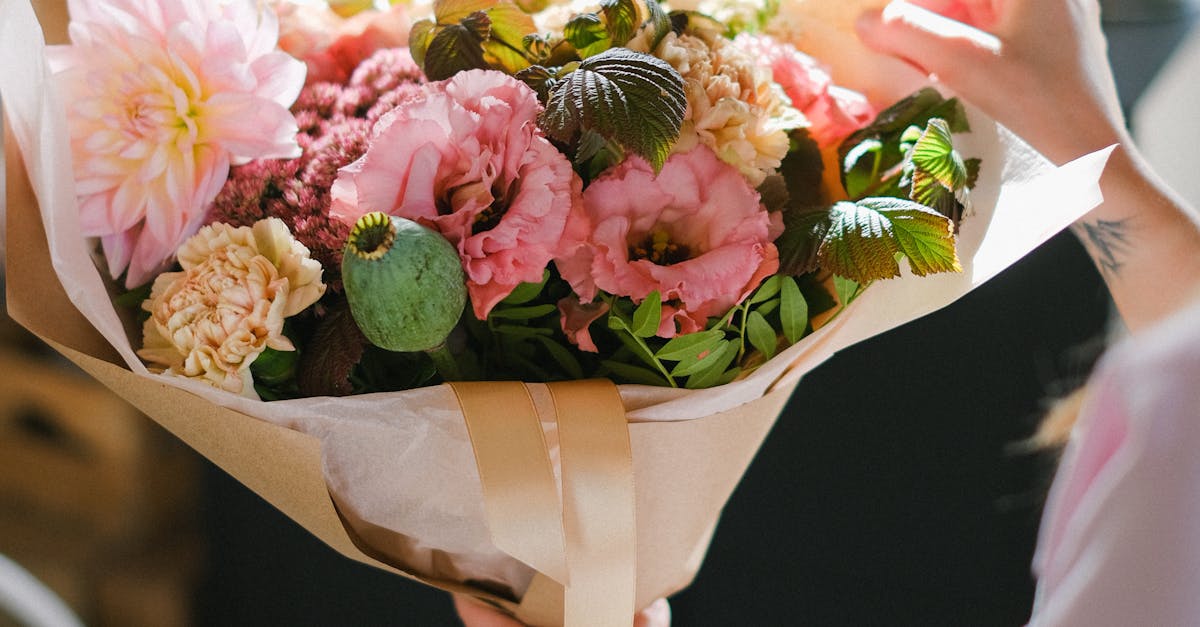
How to Coordinate Centrepieces with Your Wedding Colour Palette
Table Of Contents
Seasonal Considerations for Centrepieces
When planning centrepieces, seasonal factors play a significant role in determining the overall aesthetic of your wedding. Each season presents a unique palette of colours, textures, and floral availability. For example, spring flowers such as peonies and lilies offer a fresh vibrancy that complements lighter hues. In contrast, autumn can showcase rich oranges, deep reds, and rustic elements like branches and berries. By considering what blooms are naturally available during your chosen season, you can create arrangements that resonate with the time of year.
Additionally, the season can influence the style and materials used in your centrepieces. Summer weddings often embrace bright blooms and tropical foliage, while winter events may favour pinecones, evergreen branches, and luxurious fabrics. Incorporating seasonal elements into your designs not only enhances cohesion but can also reduce costs, as flowers will be more readily available during their peak times. This thoughtful approach ensures your centrepieces harmonise beautifully with your overall wedding theme.
Matching Your Palette to Seasonal Blooms
Choosing flowers that reflect the seasonal characteristics can elevate your wedding centrepieces and enhance your overall colour palette. Spring offers a vibrant selection with blooms like tulips and daffodils, while summer showcases bright sunflowers and delicate peonies. Autumn introduces rich hues of chrysanthemums and dahlias, perfectly aligning with warm, earthy tones. Winter centres around elegant whites and deep reds, with seasonal favourites like roses and amaryllis. Understanding these seasonal offerings will help create arrangements that harmonise with your chosen colours.
Aligning your centrepieces with seasonal flowers also offers the benefit of freshness and availability. These blooms are often more accessible and cost-effective, ensuring that you stay within your budget while making a stunning visual impact. Consulting with a florist about what is in season can provide valuable insights into creating arrangements that not only match your colour scheme but also embrace the essence of the time of year. Seasonal blooms can infuse your celebration with a natural beauty, making your wedding centrepieces truly unforgettable.
DIY Centrepiece Ideas
Creating your own centrepieces often provides a unique and personal touch to your wedding decor. Consider utilising mason jars or glass bottles filled with seasonal flowers for a rustic feel. Incorporating elements like fairy lights can add warmth and charm, especially for an evening event. Think about using natural materials such as wood slices or burlap as bases to enhance the overall aesthetic. This approach will not only align with your colour palette but also create a cohesive look throughout your venue.
Another option is to explore thematic centrepieces that reflect your shared interests or hobbies. For instance, if you're both avid book lovers, stack vintage novels topped with small floral arrangements that match your wedding hues. Alternatively, using photos from significant moments in your relationship can add a personal sentiment while tying in the colour scheme. Customising your centrepieces with these touches allows for creativity and an intimate atmosphere, sure to resonate with both you and your guests.
Crafting Personalised Touches with Colour
When considering centrepieces, personalisation can elevate the atmosphere of your wedding. Incorporating elements that reflect your relationship or shared experiences adds a unique charm. Think about using flowers that hold special significance to both of you, or colours that represent meaningful moments from your journey together. Adding personalised accents such as custom name tags, photographs, or mementos relevant to your story can foster a deeper connection for your guests to share.
To further enhance the visual appeal, consider a cohesive colour scheme that resonates with your overall decor. This could mean integrating the hues from your bridal party or incorporating seasonal shades that align with your wedding date. For instance, soft pastels can create an ethereal, romantic feel during spring weddings, while deeper tones might offer warmth during autumn celebrations. Mixing various textures through fabric or decorative elements can also create depth and interest, enhancing the overall impact of your centrepieces.
Working with a Florist or Designer
Collaborating with a florist or designer can elevate your wedding décor significantly. Choosing someone who understands your vision is vital. Look for professionals who specialise in weddings for their experience and insight. Sharing your colour palette and any specific ideas will help them create centrepieces that resonate with your style. Bring along inspiration images to demonstrate your preferences. This visual communication can bridge any gaps in understanding, ensuring your centrepiece reflects your aesthetic beautifully.
Open dialogue is essential throughout the planning process. Regular check-ins can help refine your ideas and allow for adjustments as needed. Be clear about your budget while also expressing your desires to find solutions that work within those constraints. A skilled florist or designer will offer alternatives and suggestions to enhance your concept, adding layers and texture to your centrepieces. Building a strong working relationship creates an enjoyable experience, making sure the centrepieces are both stunning and cohesive with the overall theme of your wedding.
Communicating Your Vision Effectively
Articulating your vision clearly is essential when collaborating with a florist or designer. Begin by gathering inspiration, such as images from magazines or online platforms. This collage can illustrate your style preferences together with the overall ambience you wish to create. Be specific about your colour palette, discussing not just the primary hues but also any secondary tones or textures that resonate with your theme. When exploring ideas, responsiveness to their recommendations can lead to creative solutions tailored to your wedding.
Maintaining open communication throughout the planning process fosters a productive relationship. Schedule regular check-ins to discuss ideas, progress, and any adjustments that may be necessary. Don't hesitate to voice concerns or seek clarification on concepts that may not align with your vision. A successful collaboration hinges on mutual understanding, so take the time to articulate your dreams while remaining receptive to expert advice. This balance will ensure that the centrepieces reflect your unique style while embracing the knowledge and creativity of your chosen professional.
FAQS
How can I choose the right centrepiece colours for my wedding?
Start by selecting a colour palette that reflects your personal style and complements your venue. Consider the season and the natural blooms available during that time to ensure harmony in your centrepieces.
What seasonal flowers work best for wedding centrepieces?
Seasonal flowers vary, but in spring, consider tulips and peonies; summer offers sunflowers and daisies; autumn provides dahlias and chrysanthemums; and winter features roses and hydrangeas. Matching your centrepieces to these blooms can enhance the overall aesthetic.
Can I create DIY centrepieces that match my wedding colours?
Absolutely! DIY centrepieces can be a personal and cost-effective option. Use materials such as coloured vases, fabrics, and candles to create arrangements that align with your colour palette while adding a unique touch.
How do I communicate my vision to a florist or designer?
Be clear about your colour palette, theme, and any specific elements you want to include. Bring visual aids, such as inspiration boards or swatches, to help convey your ideas and ensure you and your florist are on the same page.
What should I consider when coordinating centrepieces with table settings?
Make sure your centrepieces complement the table settings in terms of colour, style, and size. Consider the height and scale of your centrepieces to ensure they enhance the overall decor without obstructing guests' views.
Related Links
Creative Centrepiece Arrangements That Use Alternative ContainersIncorporating Local Flora into Your Wedding Centrepiece Design
Tips for Choosing the Perfect Centrepiece for Your Wedding Style
Glamorous Centrepieces That Enhance Your Wedding Reception Ambience
Timeless Centrepiece Designs That Will Delight Your Guests
Unique Themes for Wedding Reception Floral Arrangements
Elegant Reception Centrepieces for Modern Weddings in Blackwood