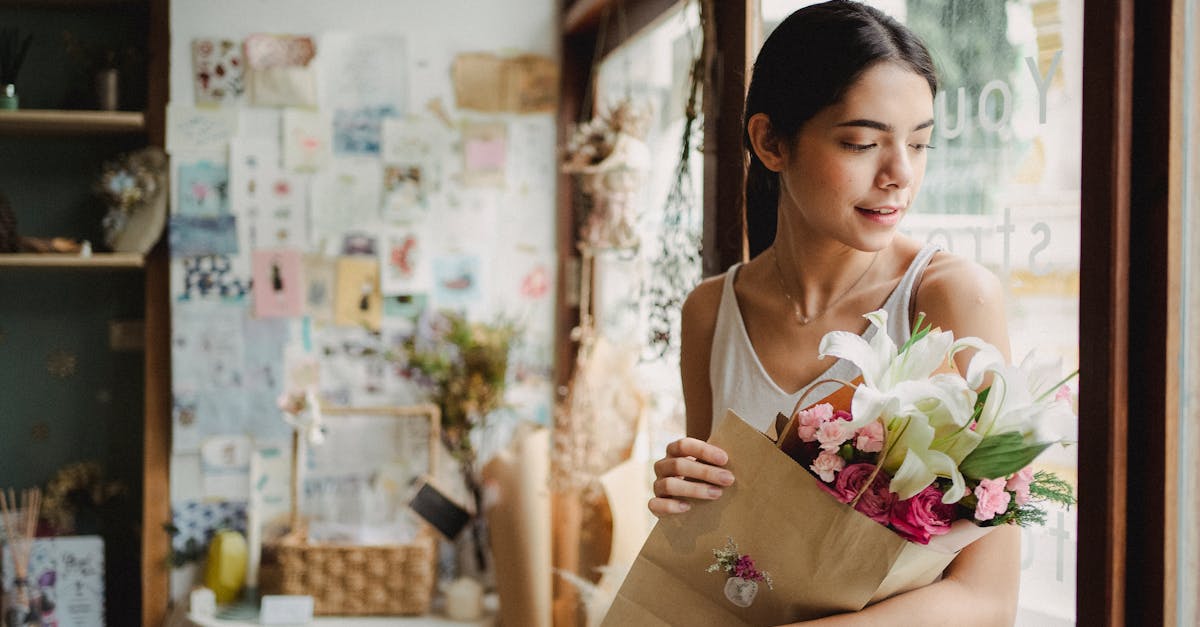
Mastering Corporate Floral Displays for Professional Events
Table Of Contents
Selecting a Floral Designer
Finding the right floral designer is crucial for creating impactful displays at corporate events. Consider looking for someone with experience in similar settings. A designer familiar with corporate culture can align their artistic vision with your brand’s identity. Reviewing their portfolio provides insight into their style and versatility. This step helps establish whether their aesthetic matches the atmosphere you wish to project at your event.
Establishing clear communication from the outset is important. Discuss your expectations, including budget constraints and specific themes. A professional designer should be open to input while offering tailored suggestions based on their expertise. This collaborative approach ensures the final arrangements reflect not only the occasion but also resonate with your corporate values. Trust is a key component when selecting a floral designer, as the right partner will bring your ideas to life.
Evaluating Experience and Creative Vision
When selecting a floral designer, assessing their experience is essential. A well-established designer often brings a wealth of knowledge from previous events. Reviewing their portfolio can provide insight into their ability to cater to various corporate themes and aesthetics. Look for a range of designs that showcase versatility in style, scale, and colour palettes. Engagement in industry events or awards can also highlight a designer’s commitment to their craft.
Creative vision is as crucial as experience. The best designers possess a unique perspective that allows them to conceptualise displays beyond standard floral arrangements. It is beneficial to have an initial consultation where you can discuss your vision and gauge their enthusiasm and understanding of your goals. A designer who actively listens and offers innovative ideas will likely produce arrangements that resonate with your corporate identity while creating a memorable floral experience for attendees.
Maintenance of Floral Arrangements
Ensuring that floral arrangements remain vibrant and appealing requires regular maintenance. Water levels in vases should be monitored, with fresh water added daily to keep blooms hydrated. It’s important to remove any dead or wilting leaves and flowers promptly, as they can detract from the overall aesthetic and impact the health of the remaining arrangements. Cutting stems at an angle when refreshing water also aids in better water absorption, promoting longevity.
Temperature and sunlight play significant roles in the durability of floral displays. Keeping arrangements away from direct heat sources, such as radiators or heaters, helps prevent wilting. Additionally, placing them in indirect sunlight can prolong their lifespan. For events lasting more than a few hours, having a designated staff member or a responsible individual tasked with checking and tending to the flowers can ensure that they stay in optimal condition throughout the event.
Tips for Keeping Displays Fresh Throughout the Event
Floral arrangements can quickly lose their appeal if not properly looked after during an event. Positioning displays away from direct sunlight helps in maintaining their vibrancy for longer. Adequate hydration is crucial; using floral preservative in the water can significantly enhance the lifespan of the blooms. It's also advisable to regularly check water levels and change the water as needed, ensuring that stems are submerged adequately.
Temperature control plays an essential role in the freshness of floral displays. Keeping the venue comfortably cool will extend the life of flowers. Avoiding areas with drafts or heat sources helps in maintaining an optimal environment. For larger functions, appointing a staff member to oversee the floral arrangements will ensure they are regularly tended to throughout the event. Immediate removal of wilting flowers helps to preserve the aesthetics of the entire display.
Eco-Friendly Floral Options
Integrating eco-friendly floral options into corporate events provides an opportunity to showcase a commitment to sustainability. Local sourcing plays a key role in this approach, reducing the carbon footprint associated with transport while supporting regional growers. Choosing in-season blooms not only enhances the arrangement's aesthetic but also contributes to a more environmentally conscious choice, ultimately leading to a more sustainable event.
In addition to selecting local and seasonal flowers, consider using biodegradable materials for display elements. Reusable or compostable containers can significantly reduce waste created by traditional floral arrangements. Implementing these practices not only creates visually appealing displays but also aligns corporate values with environmentally responsible initiatives, resonating well with attendees who value sustainability.
Sustainable Practices for Corporate Events
Incorporating eco-friendly floral options can significantly reduce the environmental impact of corporate events. Selecting local and seasonal flowers minimises transportation emissions and supports regional growers. Furthermore, using potted plants instead of cut flowers can provide a lasting benefit, as they can be replanted or used in the workplace for future events.
Utilising biodegradable materials for containers and decorative elements also fosters sustainability. Choosing natural fibres over plastics ensures that any waste generated is friendlier to the environment. Collaborating with designers who prioritise sustainable practices can enhance event aesthetics while aligning corporate values with eco-consciousness. This approach enriches the event experience and demonstrates a commitment to responsible environmental stewardship.
FAQS
How do I choose the right floral designer for my corporate event?
When selecting a floral designer, consider their portfolio, experience with corporate events, and their ability to align with your vision. It's also helpful to read client reviews and schedule consultations to discuss your specific needs.
What should I look for when evaluating a floral designer's experience and creative vision?
Look for a designer with a proven track record in creating floral arrangements for similar events. Assess their creative vision by reviewing their past work and discussing your ideas to see how they interpret and enhance your vision.
How can I ensure that floral displays stay fresh during the event?
To maintain freshness, choose blooms that are in season, hydrate them properly before the event, and place arrangements in shaded areas away from direct sunlight. Additionally, consider using floral preservatives and regularly checking water levels.
What are some tips for maintaining floral arrangements during a long event?
For longer events, consider using larger arrangements with sturdier flowers, placing them in water sources, and having a designated person to check and refresh the arrangements throughout the day.
What eco-friendly options are available for corporate floral displays?
Eco-friendly options include sourcing locally grown flowers, using sustainable materials for arrangements, and opting for potted plants instead of cut flowers. Additionally, you can work with designers who prioritise sustainable practices in their work.
Related Links
Creating Impactful Centrepieces for Business FunctionsEngaging Employees through In-House Floral Workshops
Budget-Friendly Floral Design Tips for Corporate Clients
Styling Corporate Events with Fresh and Dried Flowers
Floral Trends to Watch in Corporate Events
Designing Floral Arrangements that Enhance Office Atmosphere
Eco-Conscious Floral Design for Corporate Social Responsibility
Innovative Floral Solutions for Corporate Branding