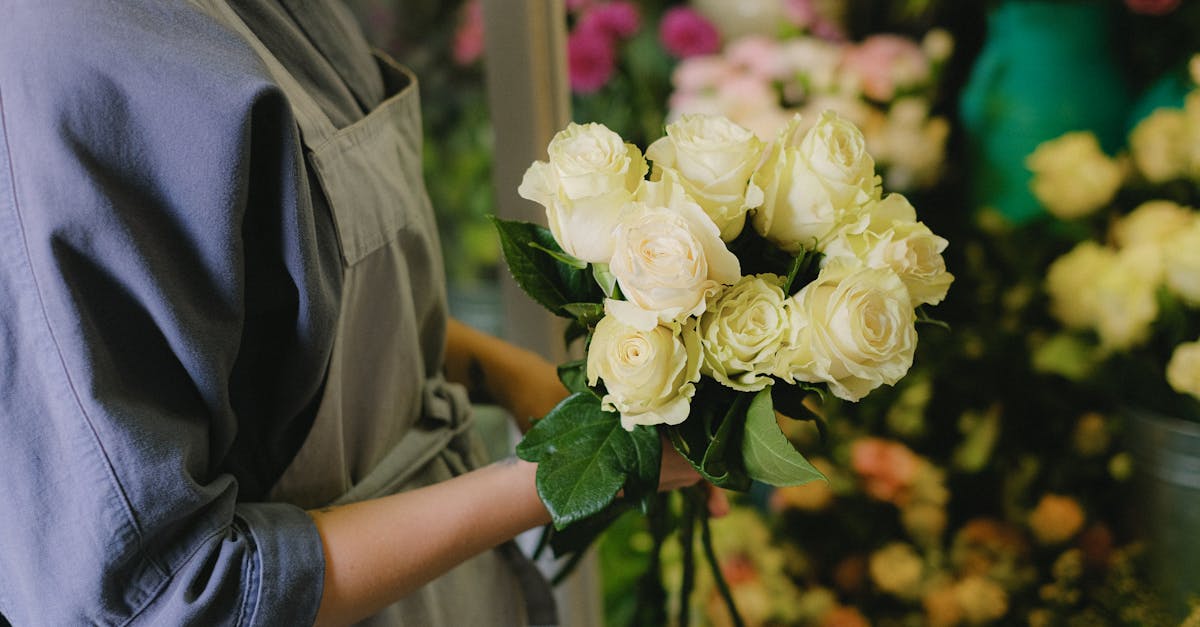
Natural Dyes and Textures: Enhancing Eco-Friendly Floral Art
Table Of Contents
Incorporating Natural Textures
Bringing natural textures into floral art adds depth and interest to arrangements. Incorporating elements like dried grasses, twigs, and seed pods can create visual contrast against vibrant blooms. These materials not only enhance aesthetic appeal but also contribute to a more organic feel. Their varied forms and surfaces introduce a tactile experience that engages the viewer's senses.
Using organic materials fosters a connection to the environment. Textural diversity can highlight seasonal changes and local flora, making each arrangement unique. Sustainable options such as recycled fabrics or biodegradable ribbons further reinforce eco-friendly practices. By thoughtfully selecting these elements, artists can cultivate a more authentic representation of nature in their work.
Using Organic Materials in Floral Arrangements
Incorporating organic materials into floral arrangements not only enhances their aesthetic appeal but also supports sustainable practices. Using locally sourced flowers reduces the carbon footprint associated with transportation. Additionally, selecting organic plants ensures that harmful pesticides and chemicals do not find their way into your home or the environment. This approach aligns with a growing appreciation for natural beauty and ecological responsibility.
Textural elements play a pivotal role in elevating the visual impact of floral displays. Utilising organic items such as twigs, burlap, or recycled paper adds depth and interest. These materials can create a rustic charm that complements the vibrant hues of natural flowers. Embracing organic elements fosters creativity while promoting an eco-friendly mindset that resonates with many contemporary florists and decorators.
The Environmental Impact of Natural Dyes
The rising awareness of environmental concerns has led to a growing interest in natural dyes as eco-friendlier alternatives to synthetic options. Derived from plants, minerals, and insects, these dyes often have a lower ecological footprint. They can be biodegradable and non-toxic, significantly reducing the harmful chemicals that enter waterways during the dyeing process. Moreover, many natural dyeing practices align with sustainable agriculture principles, enhancing biodiversity and promoting healthier soil.
The cultivation of dye plants can also support local economies and traditional farming practices. By choosing natural dyes, artisans and consumers alike contribute to a more sustainable cycle of production and consumption. This choice not only reflects a commitment to environmental stewardship but also enriches the artistic process. Each hue carries a story tied to its source, celebrating nature and heritage. This connection deepens the appreciation for both the materials and the craftsmanship involved in floral art.
Why Eco-Conscious Choices Matter
Environmental sustainability is becoming increasingly critical in all aspects of life, including art. Eco-conscious choices contribute to reducing waste and minimising the carbon footprint associated with production. By utilising natural dyes and organic materials, artists support local ecosystems and promote biodiversity. This approach not only fosters a healthier planet but also encourages a more mindful consumption pattern among consumers.
Art created from natural ingredients adds uniqueness and depth that synthetic products often lack. Natural dyes offer a rich palette, showcasing the beauty of organic materials while ensuring safety for both the artist and the environment. Choosing sustainable materials fosters a connection to the earth, inspiring deeper appreciation for the art form. As more creators embrace eco-friendly options, a cultural shift towards environmental responsibility within the artistic community emerges.
Preserving Brightness of Natural Dyes
Natural dyes have a unique charm, but maintaining their vibrancy over time can be challenging. One effective method to preserve colour is to store dyed items away from direct sunlight. UV exposure can significantly cause fading, so keeping floral arrangements in shaded areas or using UV protective glass can help retain their original beauty. Additionally, ensuring the fabric or material is clean and free from contaminants before dyeing makes a substantial difference.
Choosing the right mordant also plays a crucial role in the longevity of natural dyes. Mordants not only help fix the dye to the material but can also enhance colour intensity. Common mordants like alum or common salt work well with a range of natural dyes. It's beneficial to conduct tests on small samples before applying these treatments to larger pieces. Regular maintenance such as gentle washing with pH-neutral detergents can further support the vibrancy of the dyed products.
Tips for Long-lasting Colour
To maintain the vibrancy of natural dyes, proper storage conditions play a crucial role. Keep dyed textiles in a cool, dark place away from direct sunlight. Exposure to light can accelerate fading, diminishing the colour's intensity over time. For added protection, consider using breathable storage bags made from natural fibres. This not only provides an extra layer of safeguarding but also allows the materials to breathe, reducing the risk of mustiness or mould.
Regular maintenance of dyed fabrics is essential for longevity. Gently hand wash items with mild soap and cold water to preserve the colour. Avoid harsh detergents, which can strip away pigments. When drying, opt for air drying instead of tumble drying to prevent heat damage. This mindful approach helps retain the natural vibrancy of the dyes, ensuring that your floral arrangements remain stunning and eye-catching.
FAQS
What are natural dyes and how are they used in floral art?
Natural dyes are colourants derived from natural sources, such as plants, minerals, and insects. In floral art, they are used to colour materials like fabrics and threads, enhancing the visual appeal of arrangements while maintaining an eco-friendly approach.
How can I incorporate natural textures into my floral arrangements?
You can incorporate natural textures by using organic materials such as dried flowers, leaves, twigs, and natural fibres. These elements add depth and interest to your arrangements while promoting sustainability.
What is the environmental impact of using natural dyes?
Natural dyes are generally considered more environmentally friendly than synthetic dyes, as they are biodegradable and made from renewable resources. However, the environmental impact can vary based on the sourcing and processing methods of the dyes.
Why are eco-conscious choices important in floral art?
Eco-conscious choices in floral art help reduce waste, minimise carbon footprints, and support sustainable farming practices. By choosing natural materials and dyes, you contribute to a healthier planet and promote biodiversity.
How can I preserve the brightness of natural dyes in my floral arrangements?
To preserve the brightness of natural dyes, store your arrangements away from direct sunlight, use fixatives when applicable, and consider using protective sprays designed for natural materials. Additionally, avoid excessive moisture, which can cause fading.
Related Links
Biodegradable Mechanics for Stable ArrangementsSustainable Practices for Eco-Friendly Floral Designs
Seasonal Sustainability: Choosing Blooms with Lower Environmental Impact
Incorporating Recycled Materials in Eco-Friendly Arrangements
The Art of Upcycling: Transforming Old Materials into Floral Creations
Eco-Conscious Techniques: Reducing Waste in Floral Workshops
A Guide to Composting in Floral Design
Designing With Drought-Resistant Plants for Unique Displays
Creating Beautiful Arrangements with Native Australian Flora