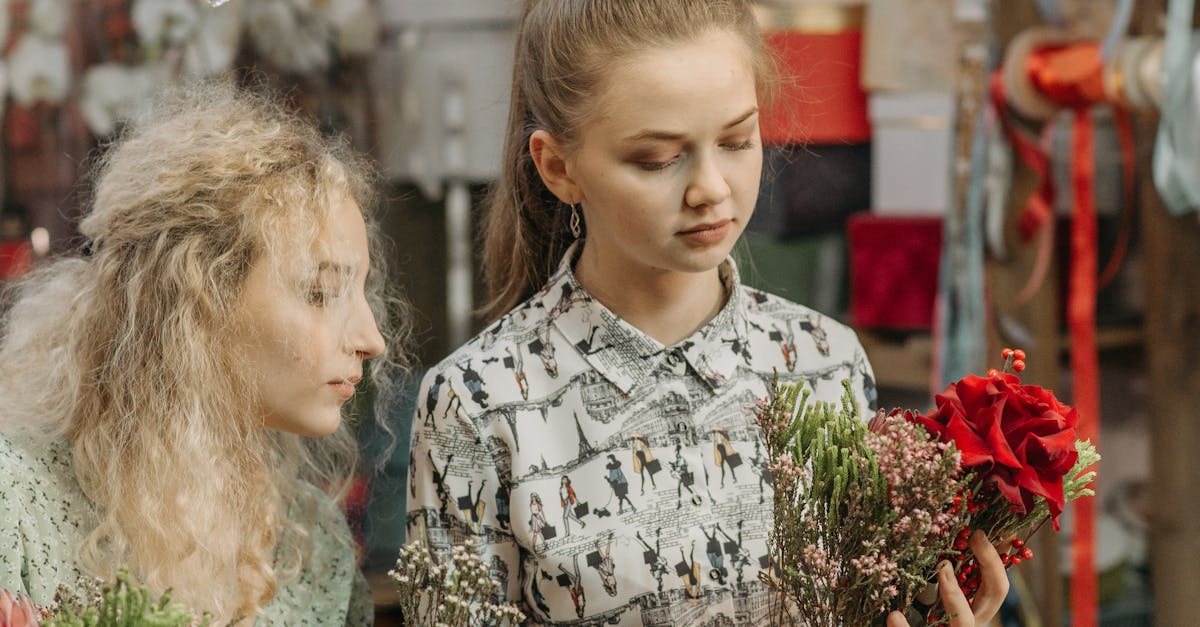
Personalising Your Wedding with Custom Floral Arrangements
Table Of Contents
DIY Floral Arrangements
Creating your own floral arrangements can infuse a personal touch into your wedding day. Selecting flowers that resonate with your style and story transforms the ordinary into something uniquely yours. Begin by considering seasonal blooms, which not only look stunning but also tend to be more affordable. Experimenting with different textures and colours can add depth to your arrangements, ensuring they align perfectly with your overall theme.
When crafting bouquets and centrepieces, it’s wise to start with a clear vision. Sketching out ideas can help in visualising the final outcome. A balance of greenery and blooms often enhances the visual appeal, making arrangements feel lush yet elegant. Remember to allocate time for practice; the more you design, the more confident and skilled you’ll become. Engaging friends or family in the process can also create a joyful, shared experience leading up to your special day.
Tips for Crafting Your Own Bouquets and Centerpieces
Creating your own bouquets and centrepieces can be a rewarding experience. Start by selecting a colour palette that complements your wedding theme. Gather a variety of flowers in different shapes and sizes to add depth and interest. Consider the seasonality of blooms; using locally available flowers not only supports local growers but can also be more affordable. Arrange your flowers in clusters to create textures, and don’t shy away from mixing in greenery for added vibrancy.
Once you have your flowers chosen, the next step is to ensure they are cut and prepared properly. Use sharp scissors to trim the stems at an angle for better water absorption. Setting up a workspace with a clean surface and plenty of water will keep your arrangements fresh. Practice your arrangements a few times before the big day to perfect your technique and boost your confidence. Keeping a scrapbook of design inspirations can help channel your creativity and ensure your personal vision comes to life.
Customising Floral Arrangements for Cultural Traditions
Cultural traditions often play a significant role in shaping the floral choices for weddings. Different cultures have unique meanings associated with specific flowers, making it essential to select blooms that resonate with personal heritage. For instance, roses might symbolise love in many Western cultures, while in Indian ceremonies, marigolds are frequently used to signify prosperity and joy. Incorporating flowers that reflect these cultural significances can add depth and personal significance to the wedding's floral arrangements.
Selecting the right flowers for cultural representation involves research and consideration of local floral availability. Engaging with a florist who understands these traditions can be immensely helpful. They can assist in creating a harmonious blend of custom arrangements that uphold cultural significance while reflecting the couple's style. By weaving personal cultural narratives into the floral designs, couples can create a more intimate and memorable celebration that honours their backgrounds.
Reflecting Heritage through Flower Choices
Incorporating flowers that hold cultural significance can add depth to your wedding celebration. Different cultures have unique flower meanings and symbolism, which can be an opportunity to honour your heritage. For instance, in Chinese weddings, the peony represents prosperity and good fortune, making it a popular choice. Similarly, Indian weddings often feature marigolds, symbolising brightness and optimism. By selecting flowers rooted in your background, you create arrangements that resonate with personal meaning and tradition.
When reflecting on heritage through floral choices, consider both the aesthetic and symbolic aspects of your selections. You might focus on blooms that were prominent at family gatherings or those linked to significant life events. Consulting with family members can provide insights into traditional preferences and practices. This not only creates a personal connection but also allows for storytelling through your arrangements, merging past and present in a beautiful display that represents who you are.
Budgeting for Custom Floral Arrangements
Planning a wedding can be overwhelming, and budgeting for floral arrangements is a crucial aspect that requires careful consideration. Start by determining the overall budget allocated for your flowers. This should include all aspects, from bouquets and boutonnieres to centrepieces and decorative installations. Make a list of your floral priorities. Identify which arrangements are essential versus those that can be simplified or cut altogether.
Exploring local flower markets can lead to significant savings and provide a chance to source seasonal blooms. This approach not only minimises costs but also ensures that your floral arrangements remain fresh and vibrant. Consider discussing your budget with your florist early in the planning process. Many florists can accommodate your financial parameters and offer creative suggestions on how to maximise impact while keeping costs manageable.
Strategies for Cost-effective Floral Design
Exploring local markets and seasonal flowers can significantly reduce costs while enhancing the wedding's aesthetic. By selecting blooms that are in season, couples can take advantage of natural beauty at a fraction of the price. Additionally, working with local florists often provides access to a wider variety of options without the added shipping costs associated with imported flowers. This choice not only supports local businesses but also promotes an eco-friendly approach to wedding planning.
Incorporating greenery and fillers is another effective way to manage expenses. Using foliage as a base for arrangements can create volume and texture without the high price tag of premium blooms. Couples can also consider repurposing ceremony flowers for the reception, ensuring that every arrangement is utilised to its fullest potential. This not only maximises their investment but also creates a cohesive look throughout the wedding day.
FAQS
How can I start creating my own floral arrangements for my wedding?
Begin by researching DIY floral arrangement tutorials online and gathering essential supplies like vases, floral foam, wire, and cutters. Start with simple bouquets and centerpieces, and gradually experiment with different flowers and styles.
What flowers are best for reflecting cultural traditions in my arrangements?
Choose flowers that hold significance in your culture. For example, lotus flowers are important in Asian cultures, while roses might be favoured in Western traditions. Research the meanings and symbolism behind various flowers to best reflect your heritage.
How can I create beautiful floral arrangements on a budget?
Consider sourcing local, seasonal flowers, which are often more affordable. You can also repurpose floral arrangements throughout your wedding day, using ceremony flowers for the reception. DIY arrangements can also save costs significantly.
What should I consider when designing centrepieces for my reception?
Ensure your centrepieces are the right height for conversation, and consider their size in relation to the table space. Choose flowers that complement your wedding theme and colours, and incorporate elements that reflect your personality or story.
Is it possible to mix different floral styles in one wedding?
Yes, mixing floral styles can add depth and interest to your wedding décor. Just ensure that there is a cohesive colour palette or theme that ties the different arrangements together for a harmonious look.
Related Links
Ethereal Flower Choices for Outdoor Wedding CeremoniesBudget-Friendly Floral Décor Ideas for Wedding Ceremonies
Statement Floral Pieces to Elevate Your Wedding Aisle
Incorporating Local Flora in Your Ceremony Décor
Seasonal Trends in Ceremony Floral Décor for Weddings
The Art of Designing Hanging Flower Installations for Ceremonies
Creating an Enchanting Floral Arch for Your Wedding Ceremony
Choosing Bloom Combinations for a Memorable Wedding Ceremony
Unique Floral Backdrops to Transform Your Ceremony Space