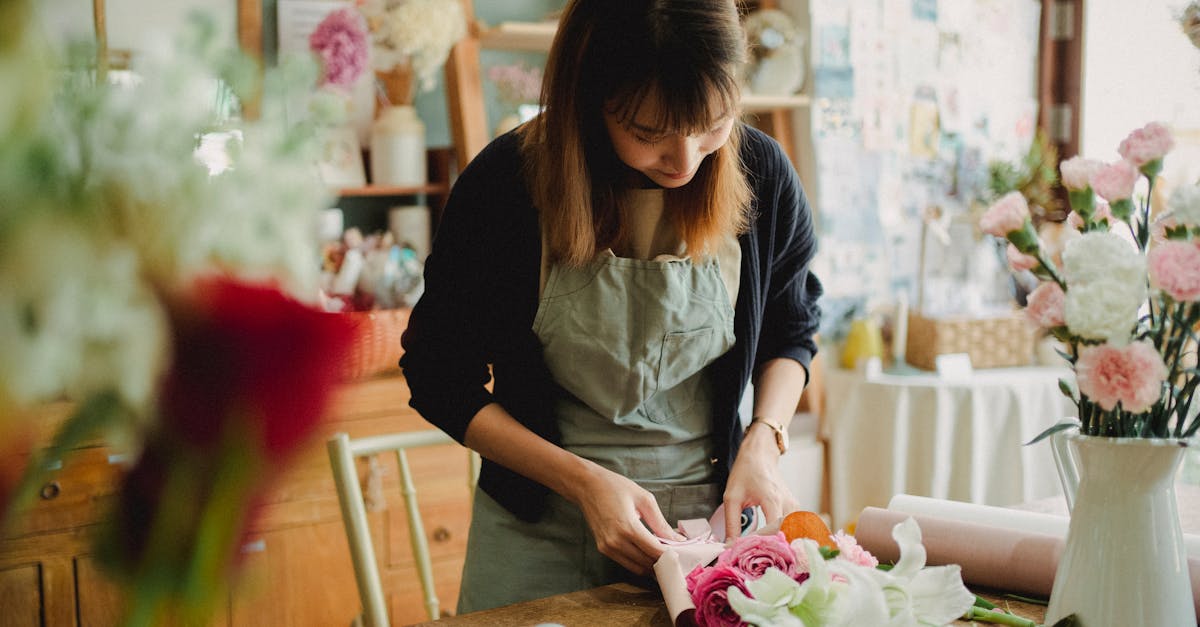
Timeless Classic Boutonnieres for a Traditional Groom
Table Of Contents
Traditional Etiquette Surrounding Boutonnieres
The boutonniere holds an essential role in traditional formal attire, especially for grooms on their wedding day. It is typically a single flower or a cluster of small blooms worn on the left lapel of a suit or tuxedo. Traditionally, the boutonniere should complement the bridal bouquet, reflecting the chosen colour scheme and floral arrangement. This connection not only enhances the groom's attire but also signifies his bond with the bride.
In terms of timing, a boutonniere should be affixed shortly before the ceremony begins. This practice ensures that the flower remains fresh throughout the event. It is customary for the groom to be the first to don the boutonniere, followed by groomsmen and other male guests as deemed appropriate. Care should be taken not to damage the flower during the process, as this can detract from the overall appearance and sentiment of the occasion.
When and How to Wear Them Properly
Wearing a boutonniere requires attention to detail, as it is an essential component of formal attire for grooms and their entourage. Traditionally, the boutonniere is placed on the left lapel of the suit jacket, ideally positioned above the heart. It should be securely fastened using a pin to ensure it remains in place throughout the event. Grooms should consider the overall look of their attire when choosing the boutonniere, ensuring it complements not only their outfit but also the bridal bouquet and wedding theme.
The selection of flowers is crucial, as seasonal blooms often reflect the wedding’s tone. Popular choices include classic roses, delicate stephanotis, or elegant calla lilies. It is advisable to avoid overly large blooms that may overshadow the groom’s appearance. Proper care of the boutonniere is equally important. Keeping it hydrated before the ceremony helps maintain its freshness, so storing it in a cool area away from direct sunlight is recommended. When the moment arrives, a confident attitude will ensure that this small but significant detail shines as brightly as the love being celebrated.
DIY Timeless Classic Boutonnieres
Creating your own boutonniere can be a fulfilling project that adds a personal touch to the groom's ensemble. Choose flowers that complement the wedding colour scheme and the groom's attire. Classic options like roses, lilies, or peonies are popular for their elegance and timeless appeal. Remember to select greenery to accompany the blooms, such as eucalyptus or ferns, for added texture and visual interest.
Preparation plays a crucial role in ensuring a polished final product. Begin by cutting the stems to the desired length, typically around 10 to 15 centimetres. Wrap the stems with floral tape to secure the blooms and greenery together. A ribbon can then be added to conceal the tape and provide an extra flair. Don't forget to keep the boutonniere hydrated until the ceremony by placing it in water or wrapping the stems in a damp paper towel. This attention to detail ensures the boutonniere remains fresh and vibrant on the big day.
Steps to Create Your Own Flower Decoration
Creating your own boutonniere can be a rewarding experience that allows for personal flair. Begin by selecting your flowers; traditional choices include roses, lilies, or a classic white carnation. Gather some greenery to accompany the blooms, such as eucalyptus or ferns, adding depth and texture.
Once you have your materials, trim the stems of the flowers to between 5 to 7 centimetres in length. Assemble the flowers and greenery to achieve a visually appealing balance, ensuring not to overcrowd the arrangement. Secure everything tightly using floral wire, and wrap the base in floral tape for a neat finish. Finally, consider adding a decorative ribbon or pin for attachment, enhancing the boutonniere’s overall presentation.
Selecting the Right Boutonniere for the Groom
A boutonniere serves as a subtle declaration of the groom's personality and style while aligning with the formality of the occasion. When selecting the right flower, consider the significance and symbolism of the blooms, as well as how they complement the bridal bouquet. Traditional choices include classic roses, elegant calla lilies, or vivid orchids. The colour of the boutonniere should harmonise with the overall wedding palette, enhancing the groom’s attire rather than overshadowing it.
In addition to flowers, the choice of foliage can play an important role in achieving the desired aesthetic. Opt for greenery that balances the bloom, such as delicate ferns or striking eucalyptus leaves. Texture and shape are key factors in creating a cohesive look, especially when paired with the suit or tuxedo. Ensuring that the boutonniere reflects both the groom's individuality and the event’s overall theme will result in a polished appearance and a lasting impression.
Personal Style Meets Traditional Aesthetics
Grooms today seek to blend personal style with traditional aesthetics, ensuring their attire reflects unique individuality while adhering to classic wedding norms. A boutonniere offers the perfect opportunity to infuse a personal touch into the groom's ensemble. Selecting flowers that resonate with personal tastes or pairing colours that complement the wedding theme can create a distinctive look. Popular choices often include roses, succulents, or even herbs, allowing grooms to express their personality through subtle floral designs.
It is essential to consider the overall wedding style when selecting a boutonniere. A rustic-themed wedding might call for wildflowers or earthy-toned blooms, while a formal celebration could demand something more elegant, such as white orchids or navy blue thistles. Accessories like ribbons or decorative pins can further enhance the look, adding a bespoke element to a timeless accessory. The combination of cherished personal style with enduring traditions results in a refined yet individualised appearance that is perfect for the modern groom.
FAQS
What is the purpose of a boutonniere for the groom?
A boutonniere serves as a decorative floral accessory that signifies the groom's status on the wedding day, adding a touch of elegance and personality to his outfit.
How should a groom wear a boutonniere?
The boutonniere should be worn on the left lapel of the suit jacket, ideally positioned above the heart. It is usually secured with a pin or a magnet to prevent it from falling off.
Can I create my own boutonniere?
Yes, making your own boutonniere can be a fun and personal touch for your wedding. There are many DIY tutorials available that guide you through the process of selecting flowers and assembling the decoration.
What flowers are best for a timeless classic boutonniere?
Traditional options for classic boutonnieres include roses, lilies, and orchids. These flowers are often chosen for their elegance and symbolism, making them suitable for a formal wedding setting.
How do I choose a boutonniere that reflects my personal style?
Consider selecting flowers and colours that complement your wedding theme and attire. Additionally, think about incorporating elements that represent your interests or heritage to create a unique and meaningful design.
Related Links
Modern Trends in Groomsmen Boutonnieres You Should ConsiderHow to Coordinate Groomsmen Boutonnieres with Wedding Colours
Incorporating Sentimental Items into Groomsmen Boutonnieres
Step-by-Step Guide to Assembling Groomsmen Boutonnieres
Creative Ideas for Eco-Friendly Groomsmen Boutonnieres
The Art of Crafting Personalised Boutonnieres for Groomsmen
Seasonal Inspirations for Groom's Attire with Floral Accents
Choosing the Perfect Flower Types for Groomsmen Boutonnieres