Luxurious Textures: Incorporating Unique Foliage in Bouquets
Table Of Contents
The Impact of Texture on Bouquets
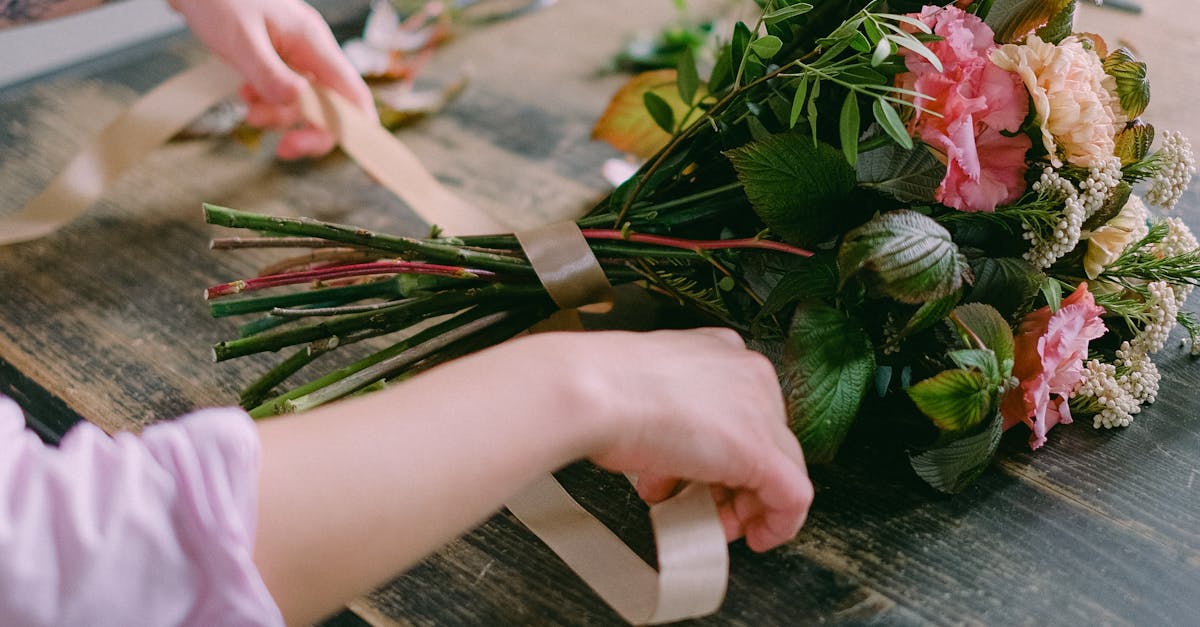
Texture plays a vital role in floral design, adding visual interest and enhancing the overall aesthetic of a bouquet. By incorporating a variety of foliage, florists can create arrangements that not only catch the eye but also evoke a sense of touch. The juxtaposition of smooth, glossy leaves with rougher, more textured ones creates a dynamic interplay that invites closer inspection. This complexity can transform a simple arrangement into a statement piece, engaging viewers and drawing them into the intricate details.
Different types of foliage offer unique characteristics that can significantly influence the feel of the bouquet. For example, feathery ferns provide a delicate softness, while large, broad leaves can ground the arrangement with their weight. By layering these elements, designers can craft a bouquet that feels abundant and lush. The interplay of light and shadow across various leaf surfaces adds depth, creating an enticing visual experience that goes beyond traditional floral arrangements.
Creating Depth and Dimension with Foliage
Foliage plays a crucial role in establishing layers within a bouquet. Utilising a mix of differing leaf shapes, sizes, and textures can elevate the entire arrangement. For instance, pairing broad, flat leaves with slender, feathery varieties creates contrast that draws the eye. Incorporating plants with varying shades of green adds depth, enhancing the visual interest of the bouquet.
To achieve a sense of dimension, it's important to consider the placement of foliage within the arrangement. Strategically layering larger leaves at the base can provide a sturdy foundation. Adding smaller, textured accents throughout the bouquet will help fill gaps while maintaining a natural flow. This thoughtful integration of foliage can transform a simple bouquet into a stunning display of artistry.
DIY Tips for Luxurious Bouquets
Creating a luxurious bouquet at home involves a careful selection of materials that complement each other. Start by choosing a variety of foliage with different textures and shapes. Think about incorporating elements like eucalyptus for its aromatic leaves, or ferns for their delicate fronds. Mixing soft, feathery leaves with more structured varieties can add a sense of depth and visual interest. Consider the colour palette as well; rich greens mixed with hints of silver or even burgundy can create a striking contrast.
When assembling your bouquet, layer the foliage to build a fuller, more dynamic appearance. Begin with a base of sturdy stems to support the lighter elements on top. Use floral tape to secure the stems, ensuring stability without cluttering the arrangement. Play with height and asymmetry by varying the lengths of the stems, drawing the eye across the entire bouquet. Lastly, don’t shy away from experimenting with unexpected elements like grasses or dried flowers, which can lend an artistic flair to the overall composition.
Crafting Your Own Textured Arrangements
To create a truly stunning arrangement, consider experimenting with various types of foliage to introduce texture and depth. Mixing leaves of different shapes and sizes can elevate the visual interest of your bouquet. For example, pairing the sleekness of eucalyptus with the broad leaves of a monstera creates a dynamic contrast. Adding wispy elements like ruscus or ferns offers softness and can fill gaps effectively, ensuring a balanced composition.
Start by selecting a focal point, such as a striking flower or unique piece of foliage. Arrange your selected foliage in layers around this central element. Begin with the sturdier, larger leaves at the base for structure, and gradually add lighter, more delicate pieces on top. This layering technique not only enhances the bouquet's dimension but also ensures an organic flow. Adjust and rearrange as needed to find the perfect balance that speaks to your aesthetic preferences.
Foliage and Sustainability
As environmental consciousness grows, the importance of using sustainably sourced materials in floral arrangements has taken centre stage. Incorporating locally sourced foliage into bouquets not only enhances their aesthetic appeal but also supports local businesses and reduces carbon footprints. This approach fosters a connection between the bouquet and the surrounding environment, promoting an appreciation for native plants and seasonal varieties.
Choosing foliage that is in season not only ensures vibrant colours and textures but also contributes to biodiversity. By selecting local greens, florists can minimise the ecological impact associated with long-distance transportation, thus reinforcing the principle of sustainability. Such practices not only benefit the planet but also encourage a movement towards more mindful consumption within the floral industry.
Using Locally Sourced Foliage for Eco-Friendly Bouquets
Opting for locally sourced foliage not only supports local economies but also reduces the carbon footprint associated with transportation. By choosing plants from nearby farms or natural areas, you contribute to sustainable practices. Local growers often cultivate their foliage with care, ensuring that the plants are healthy and environmentally friendly. This approach fosters a deeper connection to your community while promoting biodiversity and ecology.
Incorporating native species into your arrangements enhances the aesthetic appeal and supports local wildlife. Many native plants are adapted to the local climate, requiring less water and maintenance. Using these plants can create stunning bouquets that resonate with the natural environment, adding a unique touch to your floral designs. By prioritising locally sourced foliage, you embrace both beauty and sustainability in your creations.
FAQS
What types of foliage can I use to create texture in my bouquets?
You can use a variety of foliage types such as eucalyptus, ferns, ivy, and succulents to add unique textures to your bouquets. Each type brings its own character and depth.
How can I create depth and dimension in my floral arrangements?
To create depth and dimension, layer different types of foliage and flowers, varying their heights and placements. Consider mixing flat leaves with more sculptural forms for a visually appealing effect.
Are there any DIY tips for making luxurious bouquets at home?
Yes! Start by selecting a colour palette and choosing a mix of foliage and flowers. Use floral foam to support your arrangement and don’t hesitate to experiment with different textures and shapes.
Why is it important to use locally sourced foliage?
Using locally sourced foliage not only supports local growers but also reduces your carbon footprint. It often results in fresher arrangements and contributes to sustainable practices in floral design.
How can I ensure my bouquets are eco-friendly?
To create eco-friendly bouquets, focus on using seasonal flowers and locally sourced foliage. Avoid floral foam and plastic materials, and consider composting your arrangements after they wilt.
Related Links
Hand-Tied Bouquets: The Art of Casual ChicSeasonal Sensations: Bouquets Inspired by Nature's Calendar
Bold and Bright: Statement Bouquet Ideas
Soft Pastels: Creating Dreamy Bouquets
Whimsical Garden Bouquets: Capturing Fairy Tale Beauty
Modern Minimalist Bouquets: Less is More
Romantic Rustic Bouquets: Nature-Inspired Floral Designs