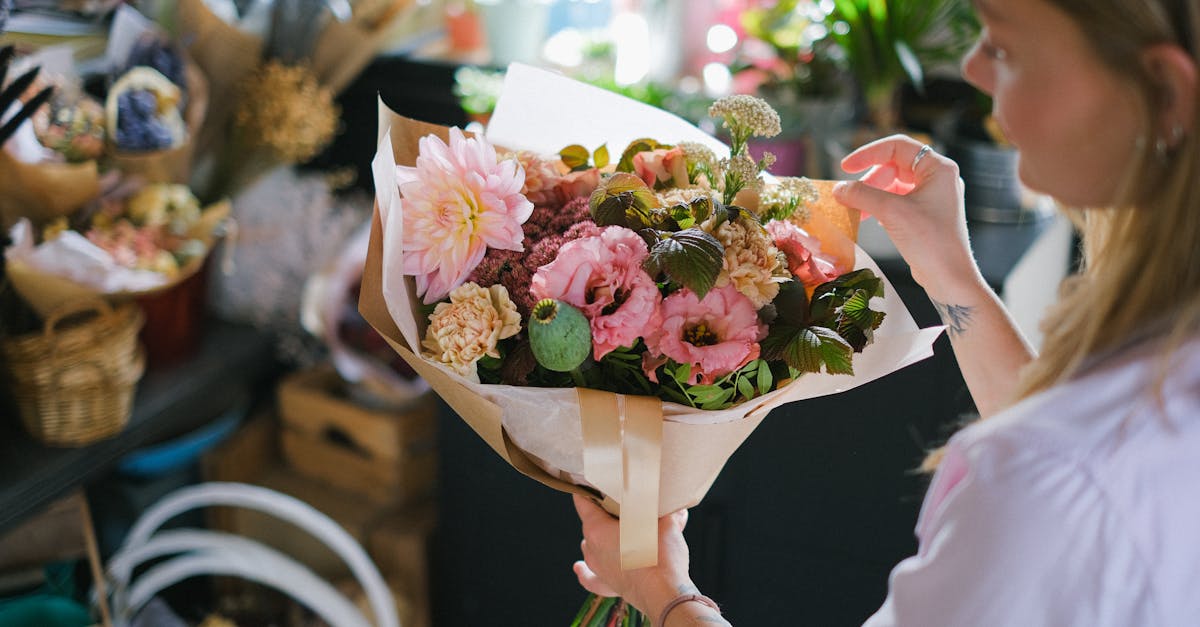
Soft Pastels: Creating Dreamy Bouquets
Table Of Contents
Composing Your Bouquet Artwork
Creating a stunning bouquet artwork begins with selecting a colour palette that resonates with the emotions you wish to convey. Soft pastels offer a vast range of hues, allowing for subtle gradations and the ability to blend colours seamlessly. Whether you opt for a monochromatic scheme or a vibrant mix, think about how the colours interact with one another. Consider the arrangement of flowers, their sizes, and orientations, ensuring that larger blooms anchor the composition while smaller ones fill in gaps and create movement throughout the piece.
Once your colours are chosen, sketching a light outline provides a roadmap for your bouquet. Focus on the overall shape and flow, allowing the viewer's eye to travel through the arrangement naturally. Don’t hesitate to adjust as you go along; spontaneity often leads to delightful surprises. Keeping balance in mind, alternate between varying textures and shapes to add interest. This preliminary step grants not only structure but also the freedom to explore as you build your artwork further with layers and details.
Balancing Elements for Visual Harmony
When creating a bouquet with soft pastels, it’s essential to consider the arrangement and placement of each element. Varying the scale of flowers and foliage can draw the eye and establish a focal point. A balance between larger blooms and finer details allows the viewer to move smoothly across the artwork, preventing any one area from feeling overly crowded or empty. Colour contrast plays a vital role in this composition. Incorporating a mix of complementary and analogous hues can enhance the visual excitement.
Utilising negative space effectively can also contribute to a harmonious arrangement. This space allows the eyes to rest and highlights the bouquet's features. Consider the background or the area surrounding the flowers, as it can influence the overall mood of the artwork. By ensuring that the elements within the bouquet are thoughtfully balanced, you create a cohesive look that invites viewers to appreciate the delicate interplay of colours and shapes within your soft pastel creation.
Layering Techniques with Soft Pastels
Incorporating layers into your pastel artwork is essential for achieving richness and depth. Start with a solid base using soft, muted hues to establish the foundation of your bouquet. Build upon this foundation by gently applying additional layers in a controlled manner. This technique allows for variations in tone and texture, helping to create the illusion of vibrant blooms. Soft pastels lend themselves beautifully to this process, as their smudging capabilities can blend seamlessly while also maintaining areas of distinct colour.
To enhance your bouquet further, consider the interplay of light and shadow within your layers. Adding darker shades in select areas can provide depth, giving the illusion of curvature and form. Gradually build up lighter colours on top to represent highlights, framing your petals in a way that draws the viewer's eye. Experimenting with layering techniques not only bolsters the visual complexity of your composition but also infuses your artwork with the ethereal quality that soft pastels are renowned for.
Building Depth and Dimension
Creating depth in your bouquet artwork can transform a flat image into a captivating three-dimensional piece. Begin by establishing a strong foundation with the initial layers of colour. Different shades should be placed strategically to form the base of petals and foliage. Build these layers gradually, using lighter tones to highlight the areas that catch the light, and deeper hues to suggest shadow and volume. Pay attention to how the colours interact; subtle transitions can bring a sense of realism and enhance the bouquet's three-dimensional quality.
Incorporating texture into your pastel bouquet can further emphasise depth. A combination of techniques, such as blending and layering different strokes, can create a lively representation of petals and leaves. Use the side of the pastel for broader strokes, allowing you to cover larger areas smoothly. For finer details, switch to the tip of the pastel, applying gentle pressure to capture delicate structures like the veins in leaves or the subtle contours of petals. This interplay between soft edges and sharp details enriches the overall appearance, inviting viewers to explore the intricacies of your artwork.
Adding Details to Your Bouquet
Fine lines can significantly enhance the realism of a bouquet artwork. A sharp pastel pencil or a sgraffito tool can bring delicate details to life. Highlights and shadows are essential for creating dimension, allowing petals and leaves to emerge from the background. Observing real flowers closely aids in capturing the intricate textures found in nature. Use subtle strokes to depict the veins on petals or the fuzziness of certain foliage.
Incorporating small accents, such as dewdrops or pollen, adds a touch of authenticity. These details can create a sense of freshness and immediacy in the artwork. Layering these minute elements over your initial compositions will help to unify the piece. Pay attention to the balance of colours, ensuring they complement rather than overwhelm each other. This careful finishing touch will transform an already beautiful bouquet into a captivating visual experience.
Enhancing Realism with Fine Lines
Fine lines play a crucial role in giving soft pastel artworks a sense of realism. These delicate touches can be applied to highlight the contours of petals, the subtle veins in leaves, and the intricate details of the bouquet. By using a sharpened pastel or a pastel pencil, artists can achieve precision in their work. This approach adds texture and enhances the overall depth of the composition, bringing the bouquet to life in a way that feels tangible and inviting.
Carefully observing the natural world provides inspiration for these details. The way light interacts with surfaces and the unique patterns found in nature can inform your use of fine lines. For example, mimicking the tiny imperfections and textures seen in real flowers will enhance the authenticity of the artwork. Varying the pressure applied during application can create different line weights, giving further dimension and interest. This attention to detail is essential in achieving a bouquet that captures the delicate beauty of nature’s arrangement.
FAQS
What are soft pastels, and how are they different from other types of pastels?
Soft pastels are made with a high ratio of pigment to binder, resulting in a velvety texture that produces rich, vibrant colours. Unlike oil pastels, which have a greasy feel, soft pastels are dry and can be easily blended for a smoother finish.
Do I need special paper for using soft pastels?
While you can use a variety of papers, it’s best to choose textured pastel paper or watercolour paper designed for dry mediums. These surfaces help the pastel adhere better and allow for layering and blending.
How can I achieve balance in my bouquet artwork?
To achieve balance, consider the size, shape, and colour of the flowers and foliage in your composition. Use the principles of visual harmony, such as colour theory and the rule of thirds, to create a pleasing arrangement.
What techniques can I use to layer soft pastels effectively?
Start with the lightest colours and gradually build up to darker shades. Use a light touch to apply the pastels, and blend with your fingers or a blending tool to create smooth transitions and depth in your bouquet.
How can I add fine details to my bouquet artwork?
To enhance realism, use sharpened pastels or pastel pencils to create fine lines and intricate details. Focus on the edges of petals, the texture of leaves, and the subtle variations in colour to add depth and interest to your artwork.
Related Links
Bold and Bright: Statement Bouquet IdeasWhimsical Garden Bouquets: Capturing Fairy Tale Beauty
Hand-Tied Bouquets: The Art of Casual Chic
Luxurious Textures: Incorporating Unique Foliage in Bouquets
Seasonal Sensations: Bouquets Inspired by Nature's Calendar
Modern Minimalist Bouquets: Less is More